
Sales and quotation workflows
Combine pricing, inventory, and customer data to prepare quotes. Sales staff handle special terms and pricing exceptions.
- Inventory + pricing
- Check policy
- Prepare quote
AI & Business Operations Optimization
Find where automation can improve capacity or lower costs. We measure how work runs today, redesign it, and build workflows that verify routine work and route exceptions to your team.
Discuss an AssessmentAlready know what to build? Explore AI & Automation Engineering
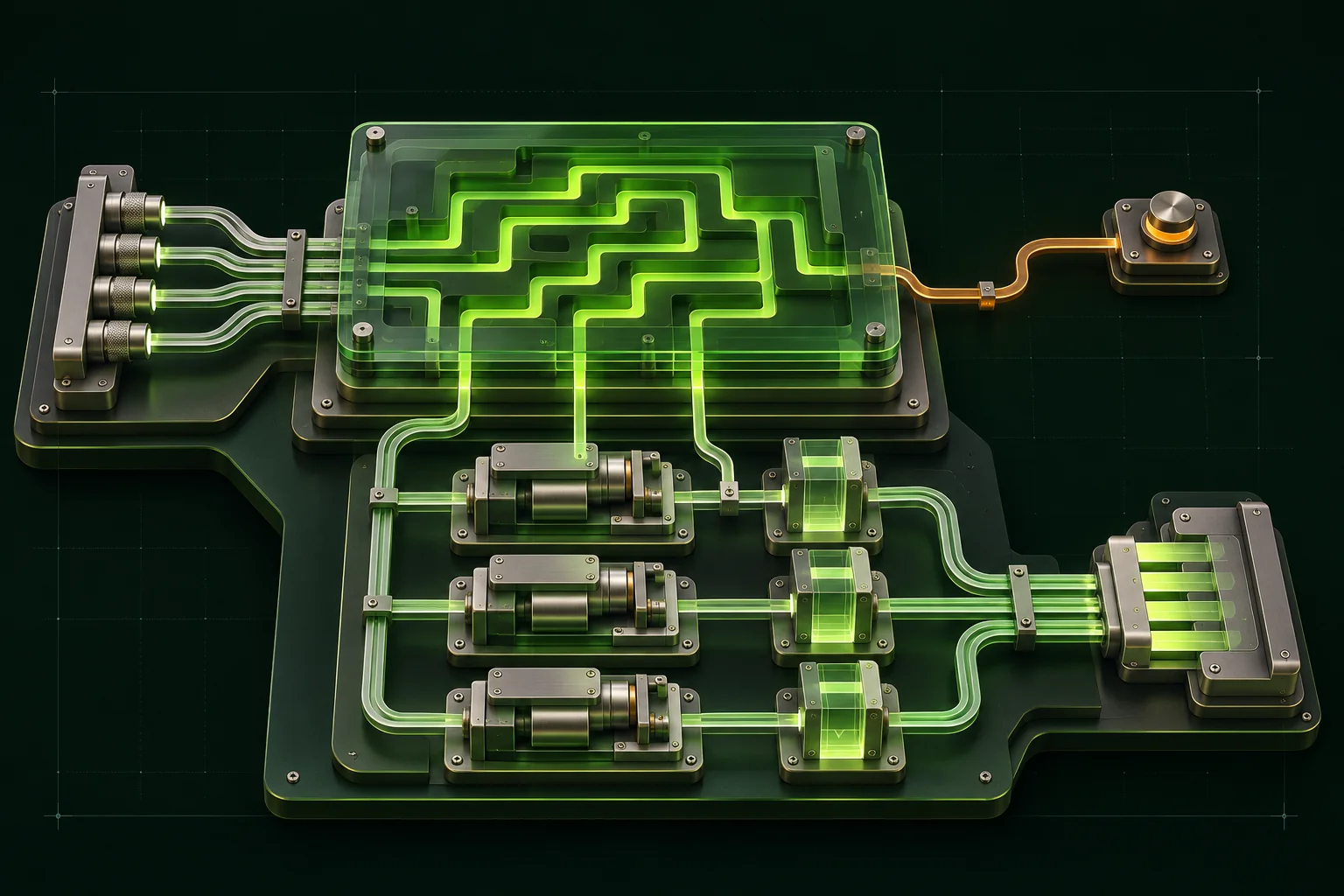
AI can produce drafts faster. When staff still have to check, approve, and finish every item, review time and rework can absorb the savings.
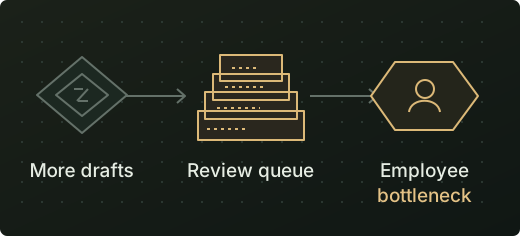
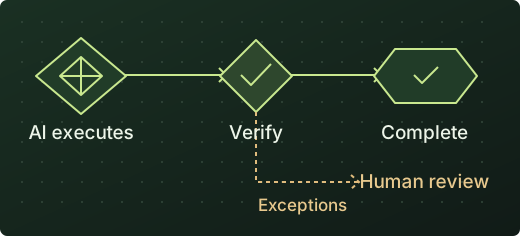
We look for recurring work with measurable costs or capacity constraints, reliable data, and clear acceptance criteria. We examine review queues, manual handoffs, and disconnected systems and weigh the cost of errors and integration before recommending what to build.
Map how work moves, measure its cost and volume, and identify the main constraint.
Choose which steps to automate, what evidence to check, and when staff need to decide.
Build and integrate the workflow, define access limits, and test how it handles routine tasks and exceptions.
Compare cost, throughput, and quality against the baseline before expanding.
Execution, verification and oversight
Run routine, reversible tasks automatically within defined limits. Monitor runs, errors, and the flow of work.
Require checks against source records, business rules, or tests. Route missing data, mismatches, and uncertain cases to a person.
Require explicit human authorization before consequential actions, such as payments, sensitive customer decisions, or changes to access.
Verification can use business rules, authoritative records, tests, and audit trails. When a check fails or evidence is incomplete, the workflow stops or routes the case for review according to the agreed rules.
Illustrative workflow examples
Combine pricing, inventory, and customer data to prepare quotes. Sales staff handle special terms and pricing exceptions.
Process documents, validate records, and reconcile data across existing systems. Send discrepancies to the right person.
Resolve routine requests and escalate ambiguous or sensitive interactions with the context an employee needs.
Use AI for suitable development tasks, with tests and checks that let engineers focus on design and difficult changes.
Connect applications so teams can stop re-entering data. Validate transfers and surface failed or conflicting records.
We establish a baseline for volume, cycle time, labour and review time, quality, and operating costs. After implementation, we compare like-for-like work and account for implementation, model, infrastructure, and maintenance costs.
More available staff time can mean capacity for additional work. We assess that separately from realized savings and track the effect of exceptions and rework before expanding the workflow.
Read our guide to measuring AI workflows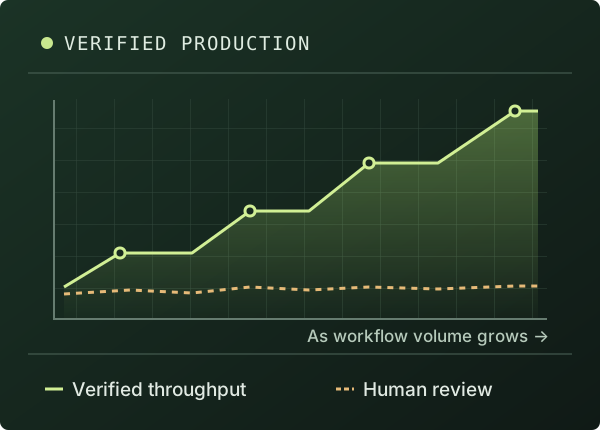
No. We start with your workflow, existing tools, and constraints. Software integrations or simpler rules may solve all or part of the problem.
We define what a correct result looks like and check it against rules, source records, tests, or other relevant evidence. Agreement between two AI models alone does not establish correctness.
We assess the available interfaces, data, and permissions. When an integration is feasible, we build it within agreed access limits and document how to run and maintain it.
Your team sets objectives and operating limits, handles exceptions, oversees performance, and approves high-risk actions. We agree these responsibilities during design.
Tell us which work takes too long, where reviews pile up, or what you need to scale. We can discuss whether an assessment is a useful first step.